A series of academic exercises focused on the core principles of 3D modeling, texturing, and lighting within Autodesk Maya. The project tracks the progression from mastering individual object topology to creating complex interior scenes and low-poly environment designs. The result is a diverse portfolio of work that demonstrates a deep understanding of volume, form, and digital atmosphere.
The primary challenge of 3D modeling is finding the equilibrium between technical precision and visual storytelling.
The workflow followed a modular progression—beginning with high-fidelity furniture modeling (Hard Surface) and concluding with environmental world-building.
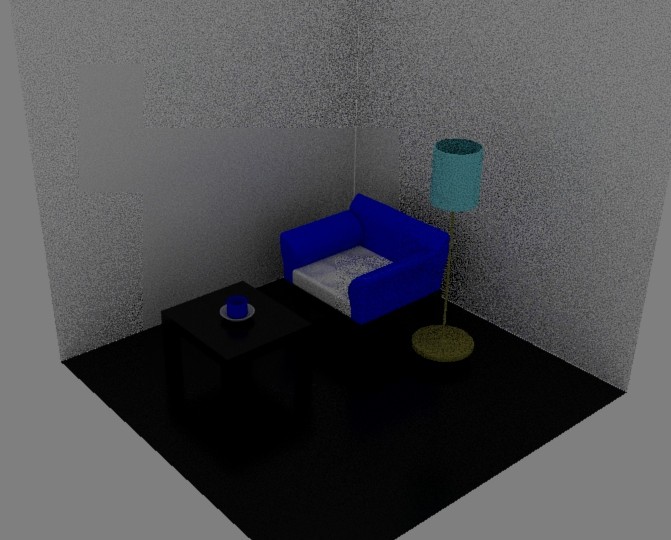
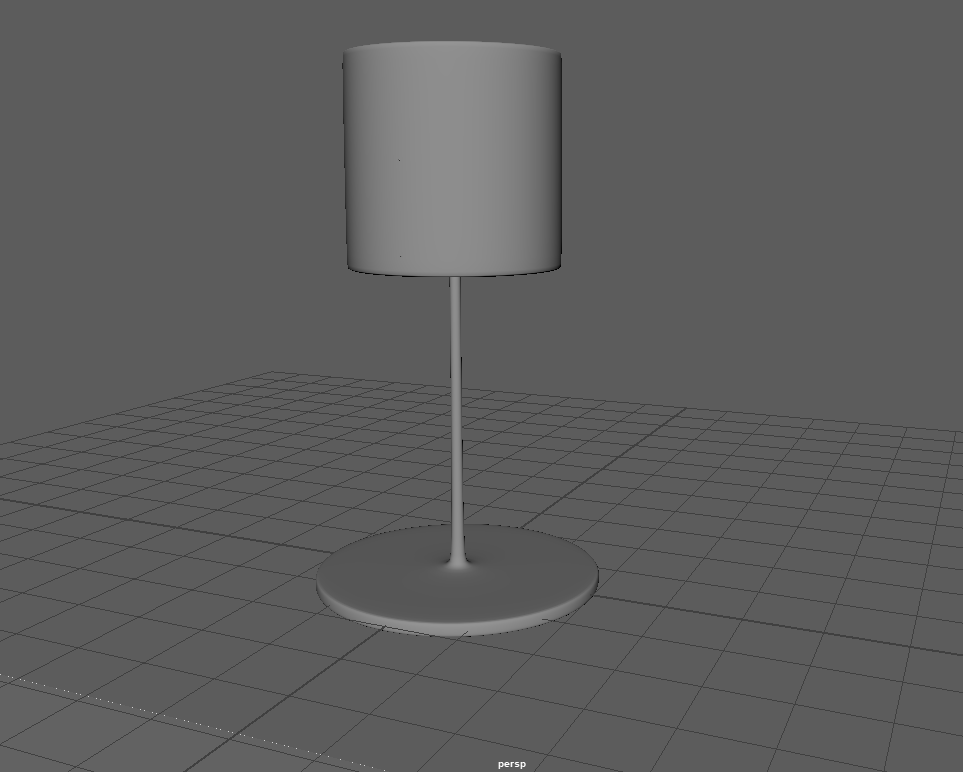
The focus was on constructing furniture pieces (armchair and lamp) using box modeling techniques. Significant attention was paid to the subtle details, such as the tufted folds in the seating and the structural proportions of the lamp, ensuring the objects felt functional and grounded.
In the interior exercises, the emphasis shifted to composition and dramatic lighting. By utilizing Arnold lights and fine-tuning shadow density, I created an ambient environment that highlights material textures—blue velvet, wood, and metal—directing the viewer’s eye toward the central focal points.
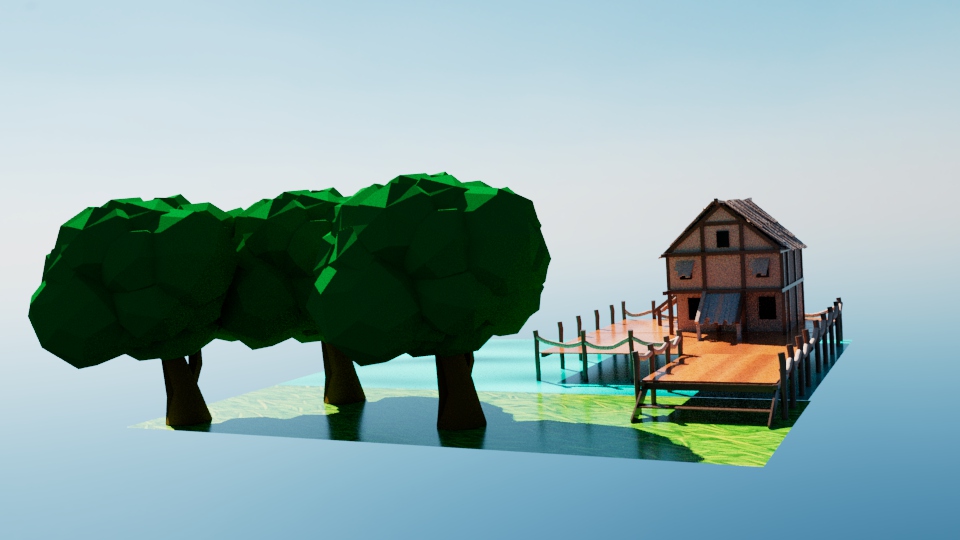
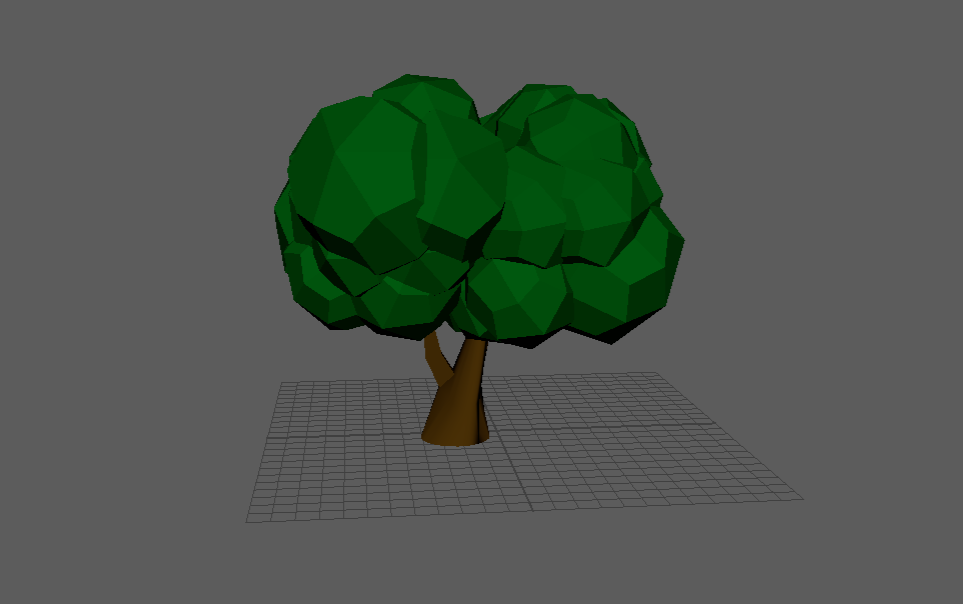
The final exercise involved building a stylized exterior (a lakeside cottage with trees). The focus here was on simplification—trees were constructed from coarse geometric shapes with emphasized flat shading, while the water was treated with high-reflectivity materials to create a sharp contrast against the matte textures of the house.
A series of assets ranging from high-fidelity furniture to fully realized environmental scenes.
Successful application of Arnold shaders and lighting to achieve diverse visual atmospheres.
Demonstrated ability to execute both realistic hard-surface modeling and stylized low-poly design.
Clean, quad-based geometry ready for professional production, animation, or engine integration.
The success of these exercises lies in the realization that a 3D model is more than just digital sculpture—it is a careful interplay of geometry and light. Whether it is a minimalist lamp or a complex low-poly cottage, the deliberate control of edges and light placement is what transforms a generic mesh into a compelling digital environment.